
Scenic Wilderness • High Success Route • Summit of Africa Experience
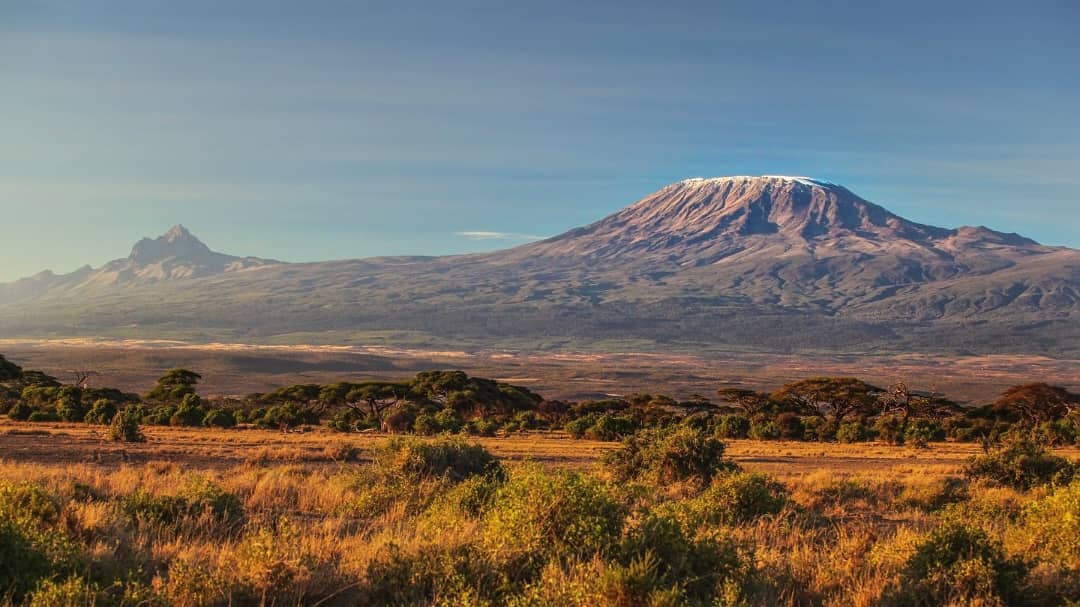
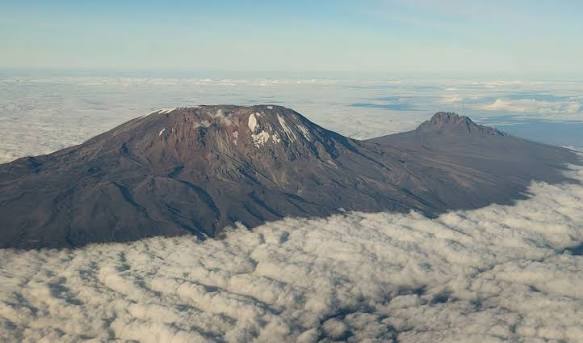
A carefully designed trekking journey to the summit of Mount Kilimanjaro, Africa’s highest peak (5,895m), via the spectacular Lemosho Route. This route is known for its gradual ascent, rich ecological diversity, and some of the most beautiful scenery on the entire mountain.
This Kilimanjaro Lemosho Route Adventure combines breathtaking scenery, excellent acclimatization, and an unforgettable summit experience at Uhuru Peak, Africa’s highest point.
This is more than a trek—it is a complete transformation experience that combines
nature, endurance, and achievement in one of the world’s most iconic landscapes.
Itinerary
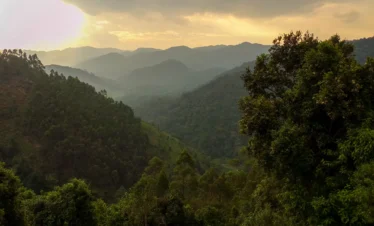
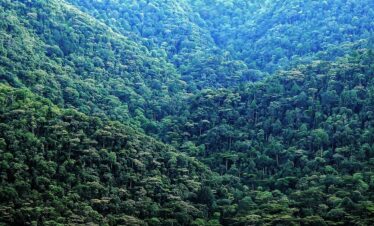
The journey begins in lush rainforest at the base of the mountain and slowly
transitions through multiple ecological zones—moist forest, heath and moorland,
alpine desert, and finally the glacier zone at the summit. Each day is designed not
only for progress but also for proper acclimatization, giving climbers one of the
highest summit success rates on Kilimanjaro.
Upon arrival at Kilimanjaro International Airport or Arusha Airport, you will be
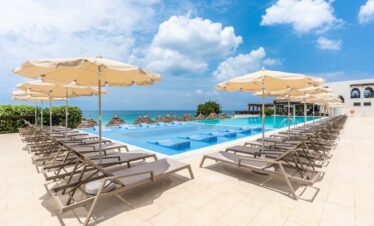
welcomed by your professional mountain guide and transferred to your hotel in
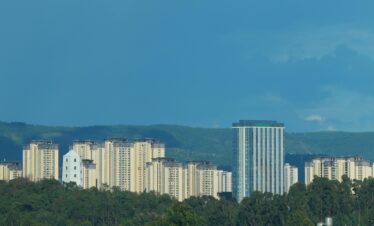
Arusha. This vibrant town is the gateway to Kilimanjaro and offers a peaceful
atmosphere surrounded by mountains, coffee plantations, and safari energy.
In the evening, your guide will conduct a detailed briefing covering the full trekking
route, safety procedures, gear preparation, and expectations for each stage of the
climb. This ensures full readiness before beginning the ascent.
Overnight: Hotel in Arusha
A calm introduction before the adventure begins.
After breakfast, you will drive to Londorossi Gate for registration before continuing to
the trailhead. The trek begins through untouched rainforest, where the air is fresh,
humid, and filled with the sounds of nature. This section is rich in biodiversity and
provides a gentle introduction to the mountain environment.
As you walk deeper into the forest, the trail gradually ascends, offering chances to
observe wildlife and unique plant species. The atmosphere is quiet and immersive,
making it one of the most peaceful trekking experiences on Kilimanjaro.
Hiking time: 3–4 hours
Altitude: ~2,650–2,700m
Overnight: Forest Camp
EXPECTATIONS & ATTRACTIONS
🟢Dense tropical rainforest environment
🟢Colobus monkeys and rich birdlife 🟢Waterfalls and moss-covered vegetation
🟢First mountain trekking experience
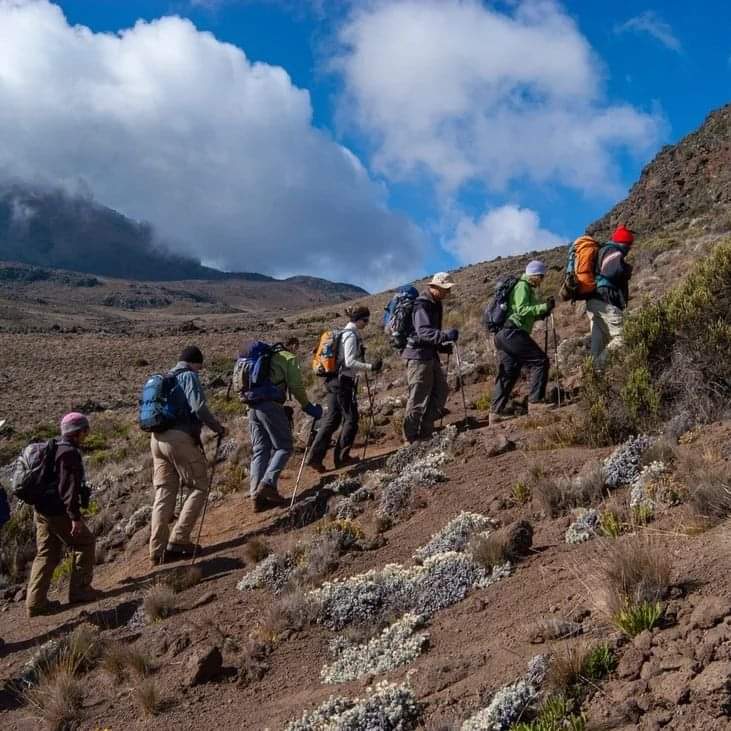
The trail gradually leaves the forest behind and enters the moorland zone. The
vegetation becomes shorter, and the landscape opens dramatically, revealing wide
views of the surrounding plains. This section offers a true sense of scale as
Kilimanjaro reveals its volcanic origin.
The climb is steady and well-paced, allowing proper acclimatization while crossing
ancient lava formations and high-altitude vegetation zones.
Hiking time: 5–6 hours
Altitude: ~3,500m
Overnight: Shira Camp 1
EXPECTATIONS & ATTRACTIONS
🟢Transition from forest to moorland ecosystem
🟢Giant heather vegetation and volcanic terrain
🟢First panoramic views of Kibo Peak
🟢Expansive mountain plateau landscapes
This day takes you across the Shira Plateau, one of the highest plateaus in the
world. The terrain is open and vast, offering dramatic scenery and excellent
acclimatization opportunities. The walk is relatively gentle, allowing the body to
adjust to higher altitude.
The environment becomes increasingly alpine, and on clear days, views of Mount
Meru appear in the distance, adding to the scenic beauty of the journey.
Hiking time: 4–5 hours
Altitude: ~3,850m
Overnight: Shira Camp 2
EXPECTATIONS & ATTRACTIONS
🟢Wide volcanic plateau landscapes
🟢Excellent acclimatization environment
🟢Views of Mount Meru and Kibo Peak
🟢Open skies and dramatic lighting
Today is an important acclimatization stage as you ascend toward Lava Tower before
descending into Barranco Valley. The terrain becomes more dramatic, with volcanic
formations and changing ecosystems.
At Lava Tower, the altitude challenges the body, but the descent into Barranco Valley
allows recovery while passing through one of the most beautiful ecological zones
known as the “Garden of Senecios.”
Hiking time: 6–7 hours
Altitude: 4,600m → 3,900m
Overnight: Barranco Camp
EXPECTATIONS & ATTRACTIONS
🟢High-altitude volcanic landscapes
🟢Lava Tower rock formations
🟢Giant Senecio and Lobelia plants
🟢Barranco Valley scenic beauty
The day begins with the famous Barranco Wall climb, a thrilling and rewarding
section that requires light scrambling but offers incredible views from the top. After
conquering the wall, the trail continues through ridges and valleys toward Karanga
Camp.
This section is physically engaging but also emotionally uplifting as climbers feel
increasingly close to the summit zone.
Hiking time: 4–5 hours
Altitude: ~4,000m
Overnight: Karanga Camp
EXPECTATIONS & ATTRACTIONS
🟢Barranco Wall climbing experience
🟢Panoramic mountain views
🟢Rugged alpine terrain
🟢Increasing proximity to summit zone
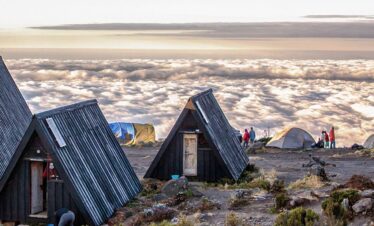
The trail continues steadily upward toward Barafu Camp, the final base before
summit attempt. The environment becomes harsh and alpine, with colder
temperatures and thinner air.
Upon arrival, climbers rest early in preparation for the midnight summit push. This is
a moment of mental focus, preparation, and anticipation.
Hiking time: 3–4 hours
Altitude: ~4,673m
Overnight: Barafu Camp
EXPECTATIONS & ATTRACTIONS
🟢Alpine desert environment
🟢Final summit preparation zone
🟢Cold, high-altitude atmosphere
🟢Mental and physical readiness stage
At midnight, the final ascent begins under a sky full of stars. Climbers move slowly
and steadily toward the summit, passing Stella Point before reaching Uhuru Peak,
the highest point in Africa.
At sunrise, the summit offers one of the most powerful experiences in the
world—glaciers, volcanic crater views, and endless horizon light. After celebration
and photography, descent begins to Barafu for rest, then continues down to
Millennium Camp for recovery.
Hiking time: 12–14 hours
Altitude: 5,895m → 3,800m
Overnight: Millennium Camp
EXPECTATIONS & ATTRACTIONS
🟢Summit of Mount Kilimanjaro (Uhuru Peak)
🟢Sunrise above the clouds
🟢Glaciers and ice formations
🟢Emotional achievement moment
🟢Rainforest recovery zone at Millennium Camp
A gradual descent through lush rainforest leads to Mweka Gate, where climbers
receive their summit certificate. From here, transfer back to Arusha for rest or
onward travel.
EXPECTATIONS & ATTRACTIONS
🟢Tropical rainforest descent
🟢Certificate award ceremony
🟢Reflection of achievement
🟢Return to Arusha comfort
FINAL EXPERIENCE PROMISE
This is not just a mountain climb, It is:
🟢A journey through five ecological zones 🟢A physical and mental transformation
🟢A test of endurance and resilience
🟢A once-in-a-lifetime achievement at 5,895 meters
Cost Includes
- Professional, certified Kilimanjaro mountain guides, porters & cook
- All park fees, camping fees & rescue fees (Kilimanjaro National Park)
- Airport transfers (Kilimanjaro International Airport / Arusha)
- Pre & post-trek accommodation in Arusha (hotel stay)
- All meals during the trek (breakfast, lunch & dinner)
- Clean drinking water throughout the climb
- High-quality camping equipment (tents, sleeping mats, mess tent)
- Daily health monitoring (pulse oximeter checks)
- Emergency oxygen cylinder & first aid kit
- Full Lemosho Route trekking support team
- Summit certificate upon successful climb
- Government taxes & VAT
Cost Excludes
- International & domestic flights
- Tanzania visa fees
- Travel insurance (mandatory for high-altitude trekking)
- Personal trekking gear (sleeping bag, boots, clothing)
- Tips for guides, porters & crew
- Alcoholic & soft drinks
- Personal expenses (laundry, souvenirs, etc.)
- Additional hotel nights before/after the trek
- Emergency evacuation costs (covered by insurance)
- Optional activities in Arusha or safari add-ons